





Polo as much more than a sport
Who is Fernando Oriol?
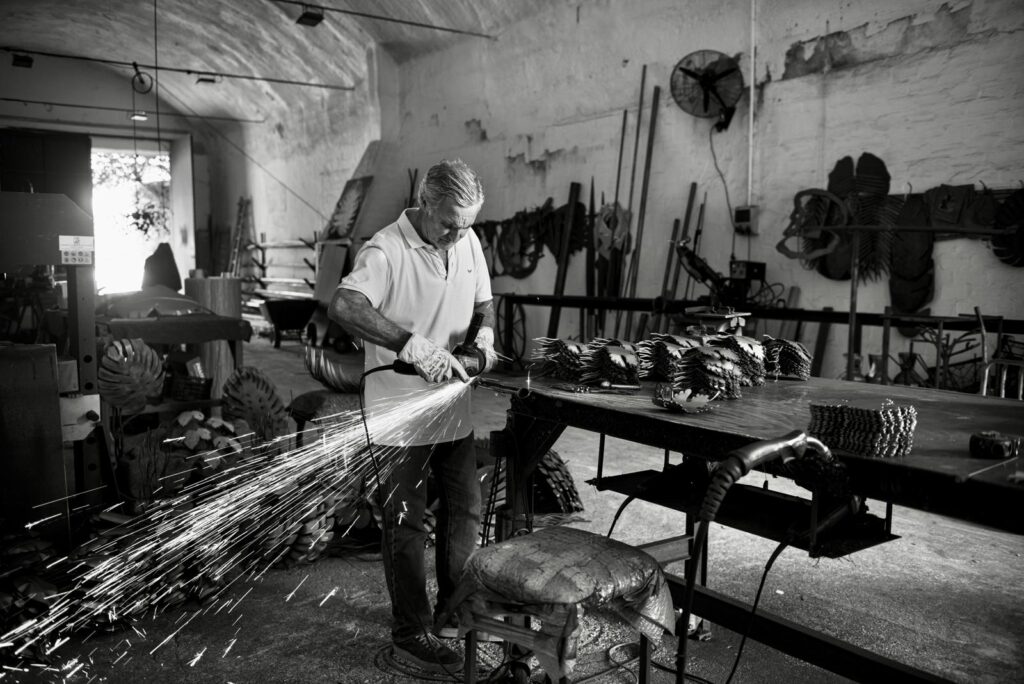
Fernando Oriol is a Spanish contemporary sculptor known for transforming steel, iron and corten steel into organic sculptures inspired by nature.
Born in Seville in 1965, he has developed a distinctive artistic language based on botanical forms such as leaves, branches, flowers, trees and nests. His work has been exhibited internationally in Spain, Miami, Mexico and Singapore.
What makes Fernando Oriol's sculptures unique?
Fernando Oriol’s sculptures are unique because they transform strong industrial materials into forms that appear delicate, organic and alive.
Working with forged steel, iron, corten steel and brass, Oriol creates movement, tension and apparent fragility while maintaining the structural strength of metal. His work explores the contrast between strength and delicacy.
Where does Fernando Oriol find inspiration for his art?
Nature is the main source of inspiration for Fernando Oriol.
From his studio at El Pino de San José near Carmona, in the Andalusian countryside, he observes trees, leaves, branches, natural textures, light, shadows and seasonal changes. Rather than directly copying nature, he transforms these observations into abstract sculptures that capture its rhythm and movement.
Is Fernando Oriol a self-taught artist?
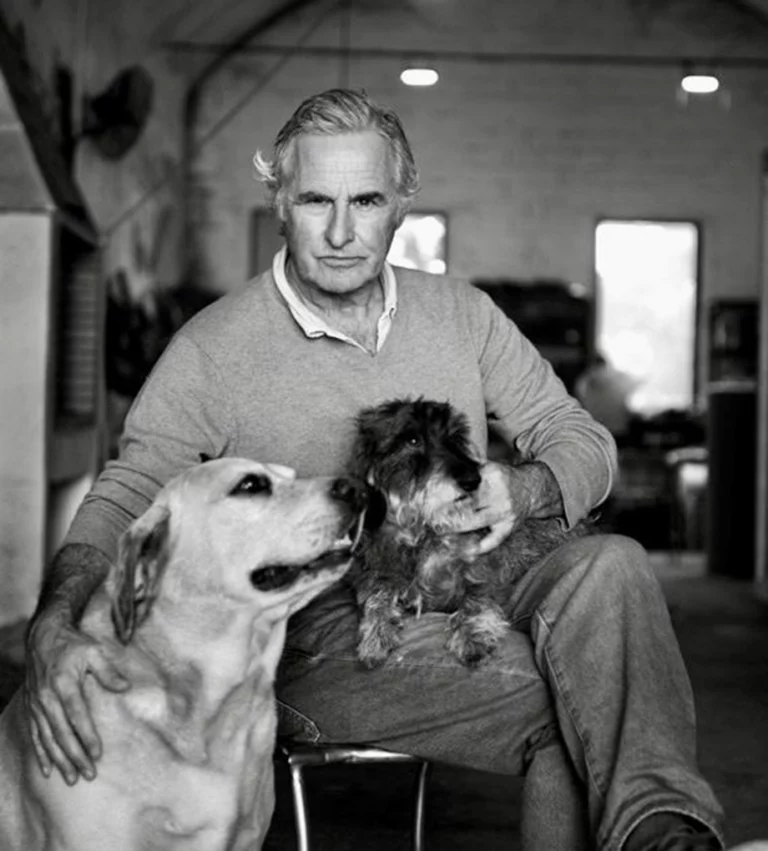
Yes, Fernando Oriol is largely self-taught.
His independent artistic path allowed him to experiment freely with metal, welding techniques, textures, patinas and finishes. Years of experimentation helped him develop a highly personal artistic language without following a traditional academic route.
Why does Fernando Oriol work with steel instead of wood?
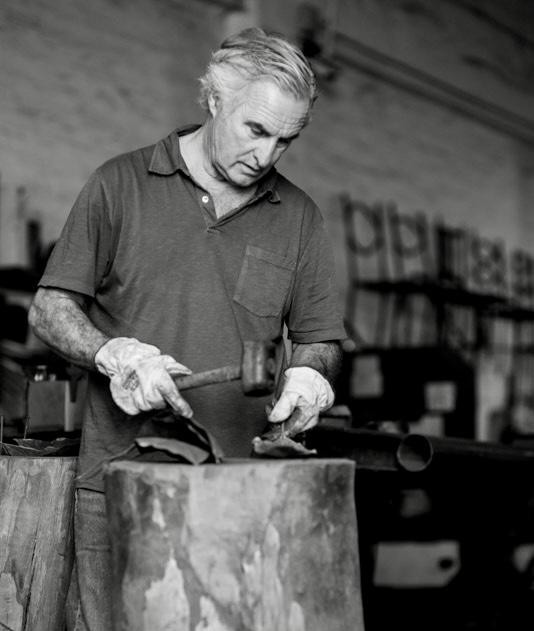
Fernando Oriol works with steel because it gives him greater creative possibilities while maintaining structural strength.
Although he initially worked with wood, he discovered that metal allowed him to create movement, tension, balance and a sense of fragility that contrasts with its natural rigidity. This paradox has become a defining feature of his sculptures.
Why is craftsmanship important in Fernando Oriol's art?
Craftsmanship is central to Fernando Oriol’s artistic philosophy.
His sculptures are created through a highly manual process that can involve thousands of individually cut metal sheets, hand-forged elements and months of work. For Oriol, every cut, weld and adjustment contributes to the individuality and character of the finished piece.
Has Fernando Oriol created sculptures inspired by flowers and plants?
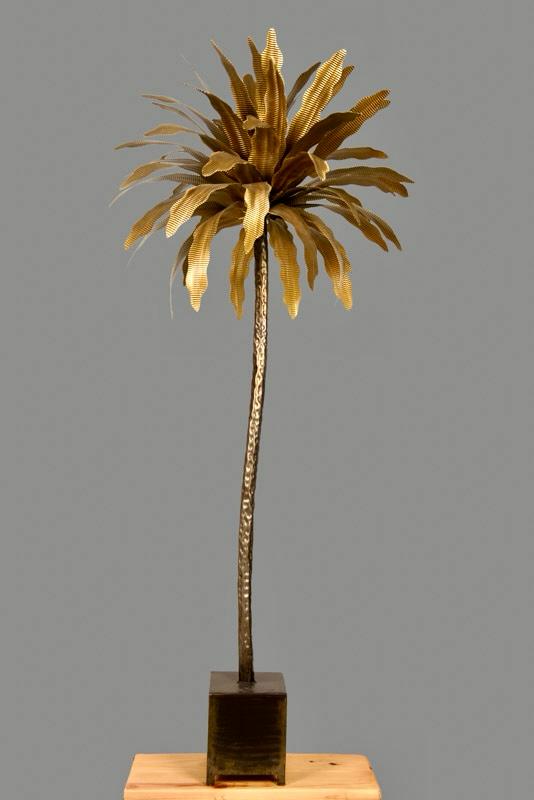
Yes, botanical forms are among the most recognisable themes in Fernando Oriol’s work.
His sculptures include magnolias, leaves, trees, branches, nests and other floral structures. One of his celebrated works is a magnolia created in corten steel, capturing the moment between a flower bud opening and full bloom.
Is Fernando Oriol's art exhibited internationally?
Yes, Fernando Oriol’s sculptures have reached audiences internationally.
His work has been exhibited in Madrid, Miami, Mexico and Singapore, while he continues to develop international commissions. His connection with nature gives his sculptures a universal quality that can resonate across different cultures and environments.
Will Fernando Oriol exhibit at La Reserva Club Sotogrande?
Yes. Fernando Oriol’s latest exhibition will open at La Reserva Club Sotogrande on 30 September.
The exhibition brings his distinctive combination of contemporary sculpture, Andalusian heritage, craftsmanship and nature to one of southern Spain’s most sophisticated lifestyle destinations. His approach to art is particularly suited to Sotogrande’s emphasis on design, landscape and understated luxury.
Why choose La Reserva Club Sotogrande to discover Fernando Oriol's art?
La Reserva Club Sotogrande offers a unique setting to discover Fernando Oriol’s sculptures because his artistic philosophy closely reflects the values of Sotogrande.
His work combines elegance without excess, quality craftsmanship, timeless design and a deep connection with nature. Set within the landscape of La Reserva, his sculptures can be experienced not simply as individual artworks, but as part of a wider dialogue between contemporary art, architecture and the Mediterranean surroundings.